TrendsRegistry figures offer a useful picture of .lu. Reading them correctly matters: a registered domain is neither a business nor necessarily a visible website.
5 min readRead the article ↗
TrendsNewsThe latest DNIB report shows another rise in registrations. The global total provides perspective, but it cannot choose your extension or budget for you.
2 min readRead the article ↗
NewsExplainedThe .lu registry has announced changes to its technical infrastructure. This is a useful chance to separate the registry’s role from your provider’s and your own.
2 min readRead the article ↗
NewsExplainedFuture names may end in something other than .com or .lu. An extension application, an approved extension and an available domain are three different things.
3 min readRead the article ↗
ExplainedA customer receives a fake invoice that appears to come from your business. How can their email service spot the impersonation? Behind SPF, DKIM and DMARC are three complementary checks.
3 min readRead the article ↗
ExplainedMenus, posters, invoices and business cards use QR codes to reach a website quickly. They can also hide a destination or create a dependency on another service.
2 min readRead the article ↗
ExplainedYour new website works. But a customer scans an old QR code, opens a quotation or follows a search result—and cannot find the right page. A redesign must also plan the journey for people arriving through old entrances.
5 min readRead the article ↗
ExplainedYour email is unavailable. The recovery code is sent to that very mailbox. Prepare for this dependency before it locks you out.
2 min readRead the article ↗
FlashbackExplainedRay Tomlinson did not invent @. In 1971, he gave an existing symbol a new job: separating a person’s name from the computer where their message should arrive.
5 min readRead the article ↗
Thematic guideNewsA name, a domain name, a website… Your business has built its digital identity. How can you turn it into something useful? Wize is preparing the thematic guide “Make your identity work for you” and invites you to share the questions on your mind.
3 min readRead the article ↗
FlashbackExplainedDomain names were not invented to display websites. Their story begins with a directory that had grown too large to manage as a single file.
3 min readRead the article ↗
FlashbackLegalA US law signed by Bill Clinton and an international procedure emerged within weeks of one another. They offered different ways to challenge a domain registration.
4 min readRead the article ↗
ExplainedTrends.com remains a major force. But choosing an extension is not simply a matter of taking it if available and settling for something else otherwise. History, usage and conditions offer better guidance.
4 min readRead the article ↗
ExplainedA logo, visual guidelines and a website meet different needs. The work connects, but draws on distinct professions. Understanding their roles helps a business organise the collaboration.
9 min readRead the article ↗
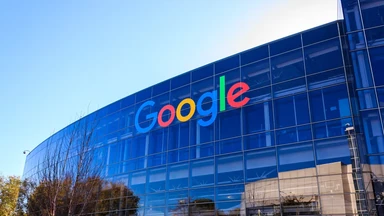
FlashbackIn 2015, a researcher managed to buy google.com for one minute. This surprising story is often retold too quickly, yet it offers a useful reminder of how sensitive a domain name can be.
2 min readRead the article ↗
TrendsA reported $99 million for Shop.com and $70 million for ai.com: two records disclosed in 2026 have put domain names back in the spotlight. Why can a few characters still command such extraordinary prices?
6 min readRead the article ↗
FlashbackPeopleIn 2000, Madonna secured madonna.com while Sting did not secure sting.com. The two cases show why fame does not replace an examination of rights, use and evidence.
2 min readRead the article ↗
FlashbackExplainedOn 15 March 1985, a maker of computers specialised in artificial intelligence registered Symbolics.com. The Web did not yet exist. Forty years later, the name has become a collectible piece of Internet history.
4 min readRead the article ↗
FlashbackThe letters suggest television and online video. Yet they stand for Tuvalu, a small Pacific state that turned its national Internet extension into a source of international revenue.
3 min readRead the article ↗
ExplainedA fake website can use HTTPS with a perfectly valid certificate. Encryption protects data on its journey; it does not make the recipient trustworthy.
3 min readRead the article ↗
ExplainedAn address can look familiar while leading somewhere else. Transposed letters, a digit replacing a letter or a character from another alphabet exploit both reading habits and typography.
3 min readRead the article ↗
TrendsLegalWIPO’s domain-name caseload reached a record in 2025. Behind the number are trademark imitations, email fraud and an international procedure with clearly defined powers.
3 min readRead the article ↗
Explained“This site can’t be reached” means neither “this name is available” nor “nobody uses it”. A browser tests only one of the services a domain name can support.
3 min readRead the article ↗